


Important Legal Update: The End of Section 21 “No-Fault” Evictions
Important Legal Update: The End of Section 21 “No-Fault” Evictions
Following the passing of the Renters’ Rights Act, the landscape of private renting in England is undergoing its most significant transformation in over 30 years.
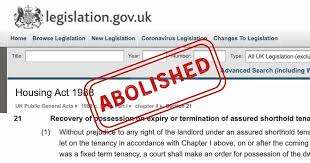
Effective from 1st May 2026, Section 21 of the Housing Act 1988—commonly known as the “no-fault” eviction process—will be officially abolished. This change applies to both new and existing tenancies across London and the rest of England.
What This Means for You
- Abolition of Section 21: From 1st May 2026, landlords can no longer serve a Section 21 notice to end a tenancy without providing a specific legal reason.
- Transition to Periodic Tenancies: All Assured Shorthold Tenancies (ASTs) will automatically convert to a single system of periodic (rolling) tenancies. Fixed-term contracts will no longer exist in the private sector.
- The New Section 8 Process: To regain possession of a property, landlords must now use the reformed Section 8process. This requires proving valid grounds, such as:
- Significant rent arrears (now increased to a 3-month threshold).
- A genuine intent to sell the property.
- The landlord or a close family member is moving into the property.
- Notice Periods: Under the new Act, notice periods for many grounds have been extended (for example, 4 months’ notice is now required if a landlord intends to sell or move back in).
Current Notices & Deadlines
- Notices served BEFORE 1st May 2026: Valid Section 21 notices served before this date remain enforceable for a limited time. Landlords must typically start court proceedings by 31st July 2026; otherwise, the notice will expire and the new law will apply.
Notices served ON OR AFTER 1st May 2026: Any notice served from this date must follow the new Renters’ Rights Act regulations. Any attempt to use a Section 21 notice after this date will be legally invalid.