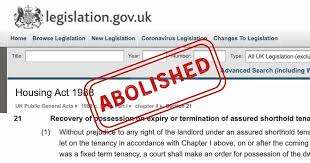



How to Evict a Tenant for Anti-Social Behaviour in London
-
- Investigate Complaints: Gather evidence and confirm the validity of complaints.
- Communicate with the Tenant: Issue warnings and attempt informal resolutions.
- Serve a Section 8 Notice: Clearly state the grounds for possession and adhere to notice periods.
- Apply for Possession in Court: File the claim if the behaviour persists.
-
- Written complaints from neighbours or residents
- Reports from the police or local authority
- CCTV footage or photographic evidence
- Records of prior warnings issued to the tenant
-
- Ground 7A (Mandatory Possession): Applicable in cases of serious offences, including criminal convictions linked to ASB.
-
- Persistent excessive noise
- Harassment or intimidation of neighbours
- Vandalism or property damage
- Drug-related activities
- Violent or threatening conductGround 14 (Discretionary Possession): Covers a broader range of ASB, allowing courts to consider the severity and impact of the behaviour before granting possession.Details of any property damage or financial lossesPrepare for the Hearing: Present evidence and address any tenant defences.Evicting a tenant for anti-social behaviour can be a complex legal process that requires landlords to follow strict procedures to ensure compliance with the law. Anti-social behaviour (ASB) can cause significant distress to neighbours and the wider community, making it essential for landlords to take appropriate action. This guide provides an overview of the legal grounds for eviction, key court considerations, and relevant case law to help landlords navigate the process effectively.Understanding Anti-Social Behaviour and Grounds for Eviction
Under the Anti-social Behaviour, Crime and Policing Act 2014, ASB is defined as behaviour that has caused or is likely to cause harassment, alarm, or distress to others. Examples include:
Landlords can seek possession under Section 8 of the Housing Act 1988, relying on:
Key Considerations
When a landlord applies for possession based on ASB, the court will evaluate multiple factors, including:
- Impact on the Community
The court assesses how the tenant’s behaviour has affected neighbours and local residents. In Birmingham City Council v Lloyd [2012] EWCA Civ 969, the court ruled that the well-being of the wider community must be weighed against the tenant’s rights.
- Severity and Frequency of ASB
A single minor incident is unlikely to justify eviction, whereas repeated or severe misconduct—such as threats, violence, or drug-related crimes—can strengthen a landlord’s case.
- Human Rights Law
Eviction affects a tenant’s right to respect for their home under Article 8 of the European Convention on Human Rights (ECHR). Courts must ensure eviction is a proportionate response, as established in Manchester City Council v Pinnock [2010] UKSC 45.
- Tenant’s Circumstances
The tenant’s personal situation, such as health conditions or efforts to address their behaviour, may be considered. In City of London v Samede [2012] EWHC 34 (QB), the court acknowledged the need to balance the tenant’s vulnerabilities against the impact of their behaviour.
- Compliance with Legal Procedures
Landlords must serve the correct Section 8 notice and follow all procedural requirements. Errors in paperwork or failure to adhere to pre-action protocols could lead to dismissal of the case.
Gathering Evidence to Support an Eviction Case
To improve the chances of success, landlords should collect:
Court Orders in Anti-Social Behaviour Cases
Depending on the case, the court may issue one of the following outcomes:
- Dismissal of the Claim
If the court finds insufficient evidence or deems eviction disproportionate, the landlord’s claim may be rejected.
- Suspended Possession Order (SPO)
The court may grant an SPO, allowing the tenant to stay under strict conditions. If the ASB continues, the order can be enforced to remove the tenant. In Portsmouth City Council v Bryant [2000] 32 HLR 906, the court ruled that an SPO was suitable where the tenant showed potential for behaviour change.
- Outright Possession Order
For severe or persistent ASB cases, the court may issue an outright possession order, requiring the tenant to vacate the property within a set period. This is more likely when Ground 7A applies.
Steps for Landlords to Take
Case Law
- Birmingham City Council v Lloyd [2012] – Emphasised community impact in ASB cases.
- Manchester City Council v Pinnock [2010] UKSC 45 – Established proportionality in eviction cases.
- Portsmouth City Council v Bryant [2000] – Demonstrated use of suspended possession orders.
- Brent LBC v Nyateka [2013] EWCA Civ 456 – Confirmed that serious ASB can justify eviction even if the tenant shows remorse.
- White v Knowsley Housing Trust [2008] EWCA Civ 1034 – Highlighted the necessity of strong evidence, such as neighbour complaints and police reports.
- Birmingham City Council v Ashton [2012] EWCA Civ 1557 – Clarified that ASB does not need to be criminal to justify eviction.
Conclusion
Evicting a tenant for ASB requires a structured legal approach, ensuring compliance with the Housing Act 1988 and human rights considerations. By collecting robust evidence, following correct procedures, and considering alternative resolutions, landlords can take lawful action to protect their property, their tenants and the community.
If you are dealing with a tenant involved in ASB, seek specialist advice to navigate the eviction process effectively. Professional guidance can help ensure compliance with the law and improve the likelihood of a successful outcome.
Contact London Tenant Evictions today for expert assistance.