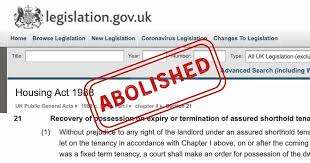



Defending a Claim for Unlawful Eviction in London
Defending against an unlawful eviction claim can be both financially and reputationally challenging for landlords. Understanding the legal framework and available defences is crucial to ensuring compliance with the law while safeguarding property rights. This guide outlines key considerations for landlords, including tenant protections, potential legal defences, and the calculation of damages.
Understanding Tenant Protections against Eviction
The level of protection granted to occupants varies depending on their tenancy status. Landlords must be aware of these distinctions to avoid legal disputes.
Protected Tenants
The Protection from Eviction Act 1977 safeguards certain occupants from eviction unless specific exceptions apply. The following groups have legal protection:
- Assured Shorthold Tenants (ASTs): The most common tenancy type in the private rental sector, requiring landlords to follow legal procedures, including serving Section 8 or Section 21 notices.
- Assured Tenants: These tenants have stronger security of tenure and can only be evicted on specific statutory grounds.
- Regulated Tenants: Protected under the Rent Act 1977, these tenants benefit from extensive tenure security and rent control measures.
- Licensees with Exclusive Possession: While genuine lodgers do not have security of tenure, some licensees may be classified as tenants by the courts, granting them protection.
- Statutory Tenants: Certain tenancies continue under statute beyond their original term, requiring formal court proceedings for eviction.
Excluded Occupants
Some individuals do not receive the same level of protection and may be removed without a court order:
- Lodgers: Residing in the landlord’s home and sharing facilities; can be asked to leave without legal proceedings.
- Holiday Let Occupants: Staying under short-term licence agreements without security of tenure.
- Trespassers/Squatters: Lacking legal occupancy rights and subject to specific removal procedures.
- Employees in Tied Accommodation: When accommodation is linked to employment, eviction may be permissible upon job termination.
Unlawful Eviction as a Criminal Offence
Unlawful eviction is not only a civil matter but can also constitute a criminal offence under the Protection from Eviction Act 1977. A landlord or agent found guilty of illegal eviction may face prosecution, leading to fines and possible imprisonment. Local authorities have the authority to initiate criminal proceedings against landlords engaged in wrongful eviction practices. A conviction can significantly damage a landlord’s reputation and result in severe financial penalties.
Tenancy Surrender: Express vs Implied
A critical factor in unlawful eviction claims is whether the tenancy was legally terminated. If a tenancy remains in effect, any eviction attempt may be unlawful. Tenancies may end through:
Express Surrender
This occurs when both parties formally agree to terminate the tenancy, typically through a written surrender agreement. This ensures clarity and protects landlords from unlawful eviction claims.
Implied Surrender
A tenancy may be impliedly surrendered when the tenant’s actions indicate an intention to vacate, such as:
- Returning the keys to the landlord
- Removing all personal belongings
- Failing to pay rent for an extended period without communication
Common Causes of Unlawful Eviction Claims
Many landlords mistakenly assume that a tenant has surrendered their tenancy. Even if a tenant appears to have vacated, they may still hold legal possession (e.g., if they retain keys or leave belongings). Eviction without following proper legal steps can lead to claims. Seeking legal guidance before acting is advisable.
Defences Against an Unlawful Eviction Claim
Landlords facing an unlawful eviction claim may have valid defences, such as:
Reasonable Belief Defence
A landlord may argue they acted reasonably under the circumstances. This may apply if:
- They had legitimate grounds to believe the tenant had voluntarily surrendered the tenancy.
- The tenant abandoned the property, and the landlord took reasonable steps to confirm their departure.
- The eviction was conducted in accordance with legal requirements.
Damages for Unlawful Eviction
If a claim succeeds, the court may award damages based on legal principles.
Statutory Compensation
Under the Housing Act 1988, tenants may claim damages based on loss of tenure security, distress, and inconvenience. Factors considered include:
- The rental value of the property
- The remaining tenancy period
- Additional costs incurred due to eviction, such as temporary accommodation expenses
Compensation
Courts may also award damages for:
- Loss of Use and Enjoyment: Compensation for the distress and inconvenience caused.
- Exemplary Damages: Where the landlord acted with blatant disregard for legal obligations.
- Punitive Damages: Imposed for particularly egregious conduct to deter future unlawful evictions.
Rent Repayment Orders (RROs)
Tenants may apply for a Rent Repayment Order, requiring the landlord to return up to 12 months of rent if convicted of unlawful eviction. This underscores the financial risk landlords face when failing to follow proper procedures.
Seeking Assistance
Successfully defending an unlawful eviction claim requires expert guidance. At London Tenant Evictions, our specialists provide professional support to landlords navigating eviction disputes. If you are facing a claim or require assistance with eviction procedures, contact London Tenant Evictions today for expert assistance.