


Business Activities in Residential Lets: A Growing Concern for London Landlords
-
-
- Review the Tenancy Agreement: Verify whether the lease permits business use. Most ASTs restrict the property to residential purposes.
- Gather Evidence: Document indicators of commercial activity, such as business-related mail, increased traffic, or property alterations.
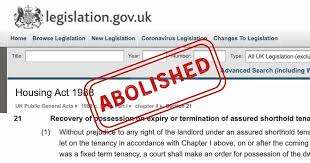
- Issue a Formal Notice: Landlords may serve a Section 8 notice under the Housing Act 1988 for tenancy violations or a Section 21 notice for a no-fault eviction at the end of the fixed term.
- Seek Legal Advice: Consulting a solicitor or eviction specialist, such as Fast Property Eviction, ensures compliance with legal procedures.
-
- Breach of Contract: Running a business without consent is typically prohibited under most AST agreements.
- Property Deterioration: Commercial use can accelerate wear and tear, leading to increased maintenance costs.
- Insurance Complications: Standard residential insurance policies often exclude coverage for damage caused by business activities.
- Legal Consequences: Failing to address unauthorized business operations could lead to fines, zoning violations, or legal disputes with local authorities.Pursue Court Action if Necessary: If the tenant refuses to vacate, landlords can apply for a possession order. Recent government reforms in 2024 have streamlined hearings for serious breaches, including unauthorized business use.The increasing prevalence of tenants using residential rental properties for unauthorised business activities presents significant challenges for landlords, particularly in areas like South Croydon and Purley. As more tenants repurpose rental homes for commercial use, landlords must navigate legal complexities to safeguard their properties.Can Tenants Legally Operate a Business from a Residential Rental Property?
Under UK law, a standard Assured Shorthold Tenancy (AST) is designed for residential use only. If a tenant engages in business activities—whether running an online store, providing services, or setting up a small retail operation—this typically violates the tenancy agreement unless the landlord has granted explicit permission.
Unauthorised business use can also conflict with zoning regulations, local authority rules, and insurance policies. Furthermore, landlords could face liability concerns if such activities result in property damage, health and safety violations, or complaints from neighbours. Ensuring that a property remains in compliance with planning permissions is crucial to avoiding legal and financial repercussions.
Case Study:
In 2024, a landlord in South London discovered that their tenant had been running a catering business from a rented flat. The tenant had modified the kitchen into a commercial workspace, leading to excessive utility consumption and complaints regarding noise and improper food waste disposal.
Upon noticing increased wear and tear on the property, the landlord consulted London Tenant Evictions for help. An investigation confirmed a breach of the tenancy agreement, which explicitly prohibited business activities. As a result, a Section 8 eviction notice was issued under the Housing Act 1988, citing grounds for possession due to contract violations.
In addition to breaching the AST terms, the tenant’s activities also violated local planning regulations. Following a successful court hearing, the landlord reclaimed the property, preventing further damage and financial losses.
How Unauthorized Business Activities Impact Landlords
Landlords must recognize the risks associated with tenants conducting unauthorized business operations. These risks include:
Steps for Landlords Addressing Unauthorised Business Use
If a landlord suspects that a tenant is operating a business without permission, swift action is essential. The following steps can help mitigate risks:
London Tenant Evictions: Protecting Landlords’ Interests
Landlords must remain vigilant against unauthorised business activities within their rental properties. Ignoring these violations can result in costly repairs, legal complications, and non-compliance with local regulations. Taking proactive legal steps, with guidance from experienced professionals, is key to safeguarding both property value and financial stability.
London Tenant Evictions provides expert support for landlords dealing with unauthorised business activities in their property, ensuring a swift and legally compliant resolution.
-